
Foods Rich in Eye-Healthy Nutrients
Discover the science behind vision nutrition. Learn which foods contain the most powerful compounds to support eye health, and how simple dietary choices can enhance your visual clarity and long-term sight wellness.
The information on this site is for educational purposes only and does not constitute medical advice. Always consult a qualified healthcare professional before making health decisions.
Colorful Foods for Vibrant Eyes
Nature's most nutrient-dense foods for vision health come in a rainbow of colors. Each shade represents different protective compounds that work together to keep your eyes young and sharp.
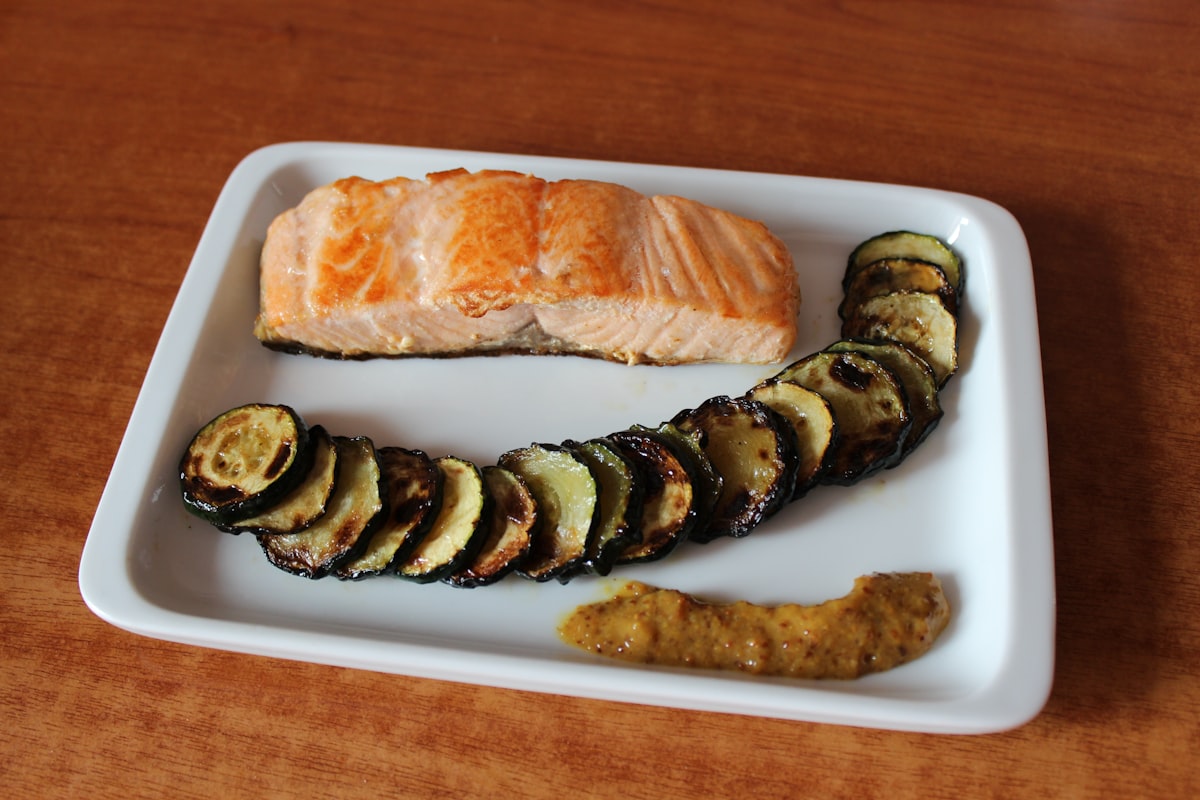
Dark Leafy Greens
Spinach, kale, and collards contain lutein and zeaxanthin—carotenoids that filter harmful blue light and reduce age-related vision loss.
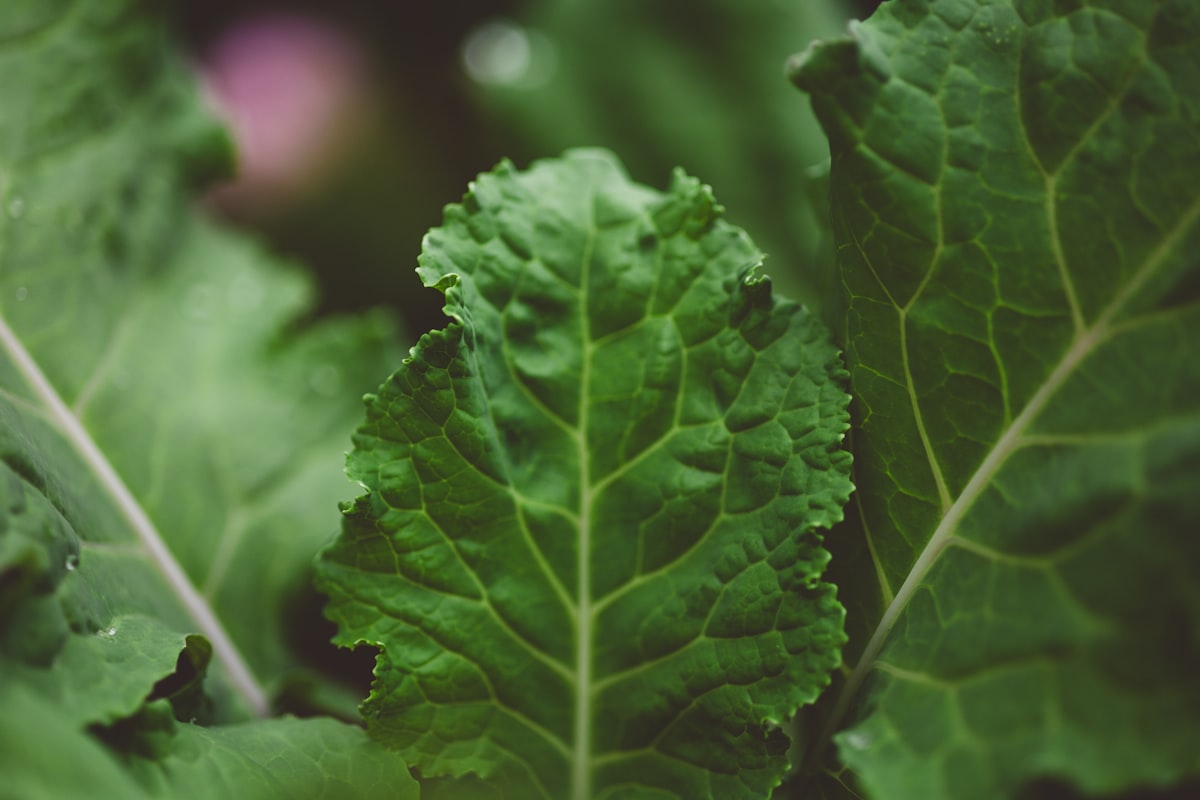
Carrots & Sweet Potatoes
Rich in beta-carotene, which converts to vitamin A—essential for night vision, corneal health, and protecting rod cells from light damage.
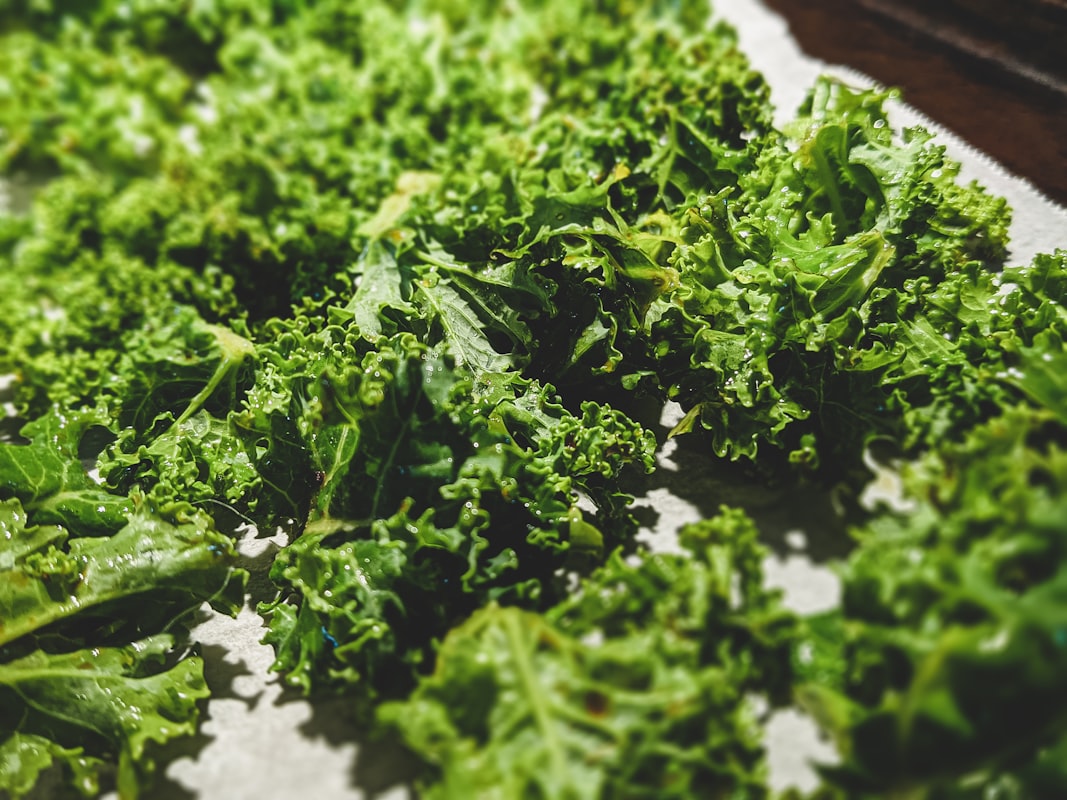
Blueberries & Red Berries
Packed with anthocyanins and flavonoids that combat oxidative stress, improve blood flow to the retina, and enhance visual acuity.
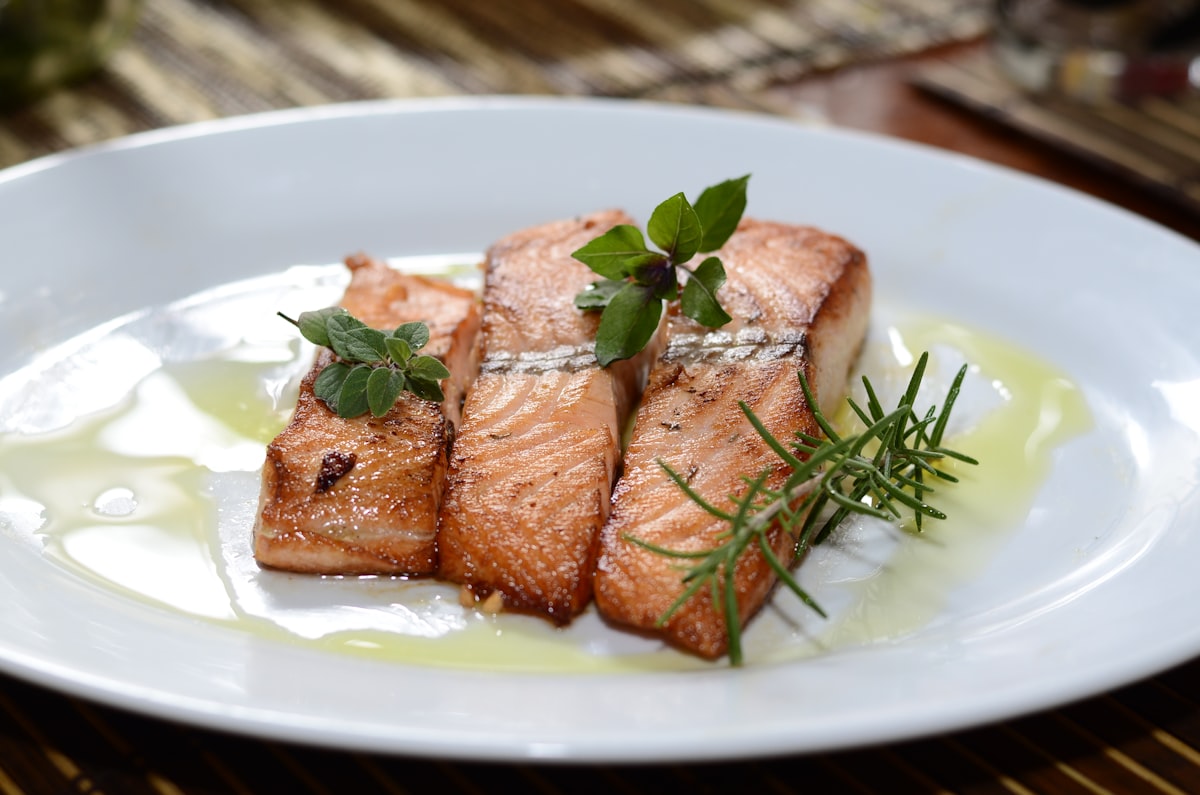
Fatty Fish & Omega-3s
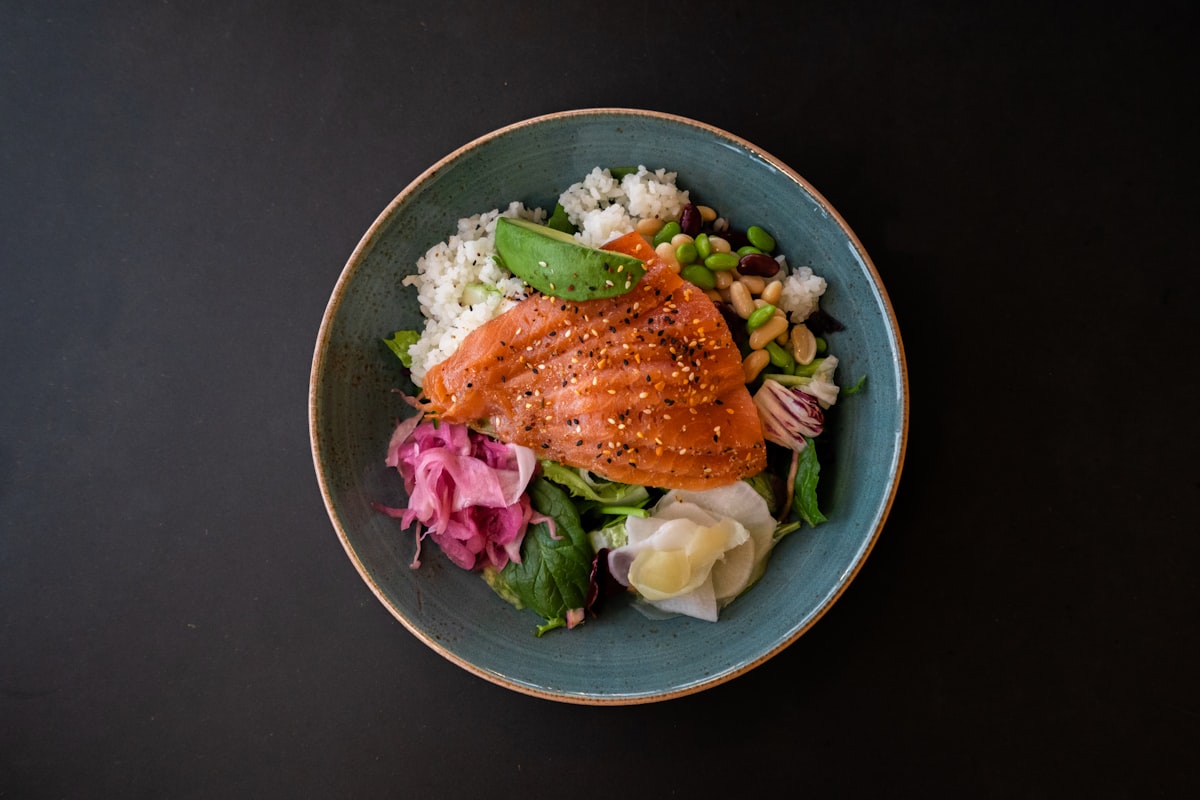
Salmon, mackerel, and sardines contain EPA and DHA that support retinal function, reduce dry eye symptoms, and protect photoreceptor cells.
Nuts & Seeds
Almonds, sunflower seeds, and walnuts deliver vitamin E and zinc—minerals that slow macular degeneration and strengthen eye tissue resilience.
Eggs & Whole Foods
Egg yolks are nutrient powerhouses containing lutein, zeaxanthin, and choline—all critical for maintaining sharp focus and cellular eye health.
Why Nutrition Matters for Vision
Understanding the nutritional foundations of eye health helps you make informed choices about the foods you eat every day.
Antioxidant Protection
Antioxidants neutralize free radicals that damage retinal cells, slowing age-related vision decline and preserving clarity.
Blue Light Filtering
Lutein and zeaxanthin act as internal sunglasses, filtering harmful blue light from screens and sunlight exposure.
Vascular Health
Omega-3 fatty acids improve blood circulation to the retina, ensuring optimal oxygen and nutrient delivery to eye tissues.
Cellular Renewal
Vitamins A, C, and E support the regeneration of photoreceptor cells and strengthen the protective structures around your eyes.
Lutein & Zeaxanthin: Nature's Eye Shield
These two carotenoid compounds are the most researched nutrients for vision health. They accumulate in the macula—the central part of your retina responsible for sharp, detailed vision—and create a protective barrier against oxidative damage.
Research shows that people with higher dietary intakes of lutein and zeaxanthin have significantly lower rates of age-related macular degeneration and cataracts. Unlike vitamin A, which your body stores, you must consume lutein and zeaxanthin daily through food since your body cannot synthesize them.
Supporting Macular Health
Slows decline of central vision by filtering blue light and neutralizing oxidative stress in the macula.
Cataract Risk Reduction
Protects the lens from oxidative damage that leads to clouding and vision impairment over time.
Visual Contrast Enhancement
Improves your ability to distinguish fine details and see clearly in challenging light conditions.
Top 9 Nutrient-Dense Foods for Eye Health
These foods rank highest in concentration of vision-protective compounds. Make them staples in your kitchen and see the difference in your visual clarity.
Spinach
Raw or lightly cooked
One cup of raw spinach contains 6.3 mg of lutein and zeaxanthin—about one-third of the recommended daily intake. Cooking actually increases bioavailability of these compounds.
- Lutein & Zeaxanthin: 6+ mg per cup
- Vitamin K: 145 micrograms
- Folate: Supports retinal cell division
Kale
Steamed or sautéed
Kale surpasses most greens with 11+ mg of lutein and zeaxanthin per cooked cup. Its bitter compounds also contain powerful antioxidants not found in milder greens.
- Lutein & Zeaxanthin: 11+ mg per cup
- Vitamin C: Protects from oxidative stress
- Sulfur compounds: Natural anti-inflammatory
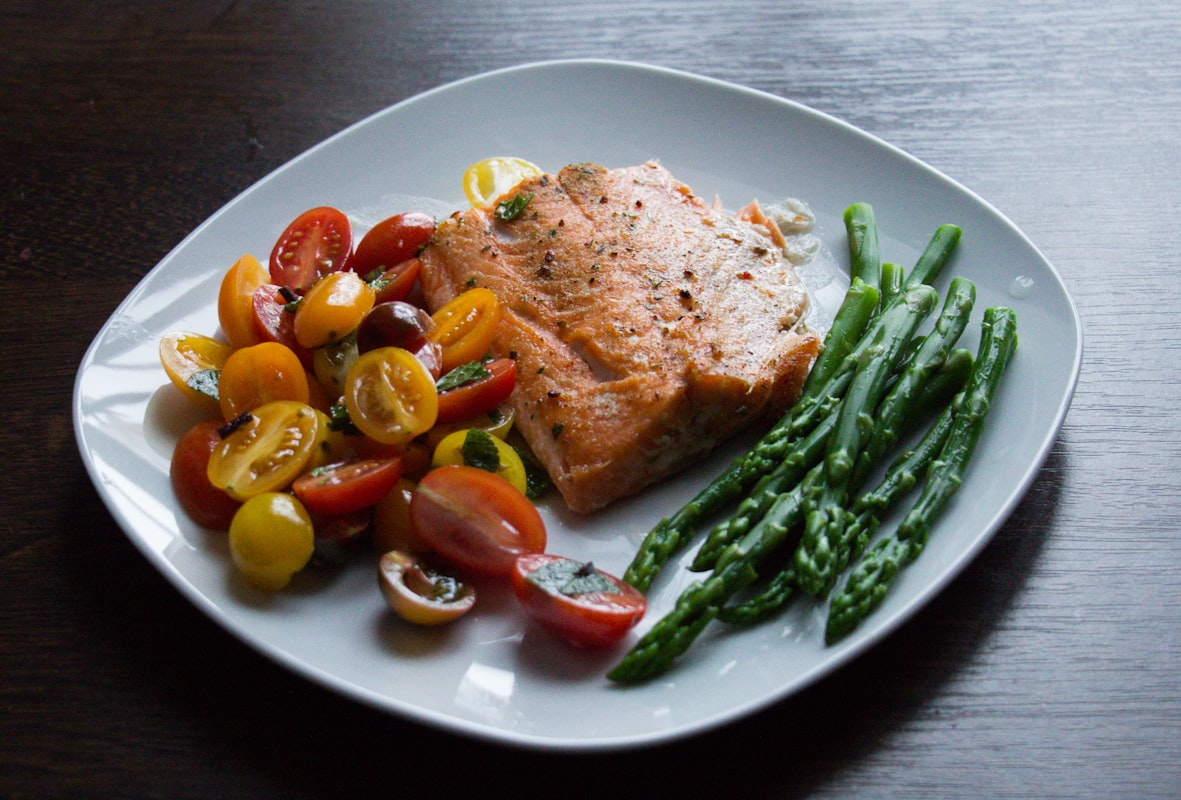
Salmon
Fresh or wild-caught
Rich in EPA and DHA omega-3 fatty acids, salmon nourishes the retina and improves tears—essential for eye comfort and clear vision. Wild-caught contains higher nutrient density.
- EPA & DHA: 2+ grams per 100g
- Astaxanthin: Unique antioxidant
- Selenium: Protects lens proteins
Blueberries
Fresh or frozen
Anthocyanins in blueberries enhance blood flow to the retina and improve night vision. Studies show they slow age-related vision decline significantly.
- Anthocyanins: 40+ compounds per serving
- Vitamin C: Collagen support in cornea
- Quercetin: Anti-inflammatory flavonoid
Carrots
Raw or cooked
The classic vision food—beta-carotene converts to vitamin A, which regenerates retinal pigments and supports night vision. One medium carrot meets 50% of daily needs.
- Beta-carotene: 7200 IU per carrot
- Vitamin A: Essential for rod cells
- Falcarinol: Unique protective compound
Almonds
Raw or roasted
Almonds deliver significant vitamin E—a fat-soluble antioxidant that protects eye cells from oxidative damage. One ounce provides 37% of daily vitamin E.
- Vitamin E: 7.3 mg per ounce
- Zinc: Supports retinal cell function
- Copper: Enhances antioxidant enzymes
Eggs
Free-range preferred
Egg yolks contain choline, lutein, and zeaxanthin in bioavailable forms. The fat in yolks helps your body absorb these fat-soluble nutrients efficiently.
- Lutein & Zeaxanthin: 250+ micrograms
- Choline: Brain and retina development
- Vitamin D: Supports immune function in eyes
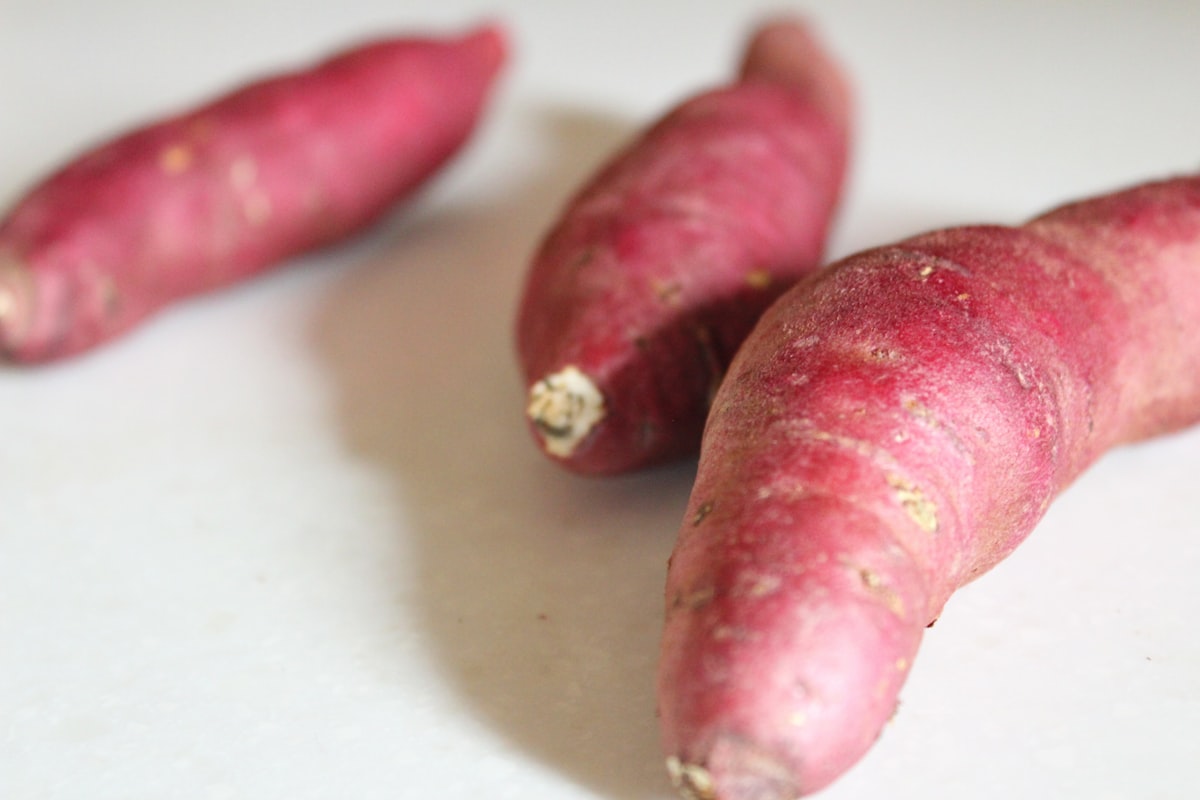
Sweet Potatoes
Roasted or mashed
One medium sweet potato contains 961 micrograms of vitamin A—meeting the entire daily requirement. Vitamin A is irreplaceable for photoreceptor regeneration.
- Beta-carotene: 10000 IU per potato
- Vitamin C: Collagen protection
- Potassium: Eye blood pressure support
Dark Chocolate
70% cacao or higher
Dark chocolate contains flavonoids that improve blood flow to the retina and enhance visual contrast sensitivity. Moderation is key—enjoy 1-2 squares daily.
- Flavonoids: 150+ mg per ounce
- Phenolics: Powerful antioxidants
- Iron: Oxygen transport to eyes
How to Maximize Nutrient Absorption
Eating the right foods is only half the equation. Proper preparation and food combinations enhance your body's ability to absorb and utilize these vision-protecting nutrients.
Pair With Healthy Fats
Lutein, zeaxanthin, beta-carotene, and vitamins A, D, E, and K are fat-soluble—they need dietary fat for absorption. Combine leafy greens with olive oil, avocado, nuts, or fish to triple your nutrient uptake.
- Spinach salad with olive oil dressing
- Carrots with almond butter
- Kale sautéed in avocado oil
Light Cooking Increases Availability
While raw vegetables retain vitamin C, light cooking (steaming, sautéing) breaks down cell walls and makes carotenoids more bioavailable. Balance raw and cooked vegetables for maximum nutrient absorption.
The Bottom Line
Nutrient density isn't just about what's in your food—it's about how your body can use it. Xoliro's nutrient-dense ingredients are selected and prepared to maximize bioavailability, ensuring every meal supports your wellness goals.
Real Results from Real Customers
Join thousands who've transformed their wellness with Xoliro
"I noticed a difference in my energy levels within the first week. The meals are delicious and I finally feel like I'm actually nourishing my body instead of just filling it."
Sarah Mitchell
Wellness Coach, Austin TX
"As someone with dietary restrictions, finding nutrient-dense meals that actually taste good was impossible. Xoliro changed that. Every meal is thoughtfully designed."
James Rodriguez
Fitness Trainer, Miami FL
"My lab work improved significantly after three months. My doctor was impressed with my nutrient levels. This isn't just marketing—Xoliro actually delivers results."
Elena Patel
Registered Dietitian, Los Angeles CA
Frequently Asked Questions
Everything you need to know about nutrient density and Xoliro
What exactly is nutrient density?
How does Xoliro ensure nutrient density in every meal?
Can I customize my meals based on my dietary needs?
How long does it take to see results?
How is Xoliro different from other meal delivery services?
Experience the Nutrient Density Difference
Start your journey toward optimal wellness. Every meal is an investment in your health.