
Foods Rich in Eye-Healthy Nutrients
Discover the nutritional building blocks that support optimal vision and eye wellness through informed dietary choices.
The information on this site is for educational purposes only and does not constitute medical advice. Always consult a qualified healthcare professional before making health decisions.
Filter by Nutrient Category
Explore foods organized by the essential eye-health nutrients they provide.
Featured Eye-Health Foods

Spinach
Dark leafy green spinach contains exceptional levels of lutein and zeaxanthin, two carotenoids that accumulate in the macula—the central area of the retina responsible for detailed vision. These pigments act as natural filters, protecting cells from blue light damage and oxidative stress.
- High in lutein content
- Rich in vitamin K and folate
- Contains antioxidants
Blueberries
Blueberries are renowned for their abundant anthocyanins—powerful flavonoid antioxidants that give them their deep blue color. These compounds support retinal function, enhance blood flow to the eyes, and help reduce fatigue from prolonged visual focus. Many nutrition experts highlight blueberries as a cornerstone eye-health food.
- Abundant anthocyanins
- Antioxidant powerhouse
- Supports retinal health
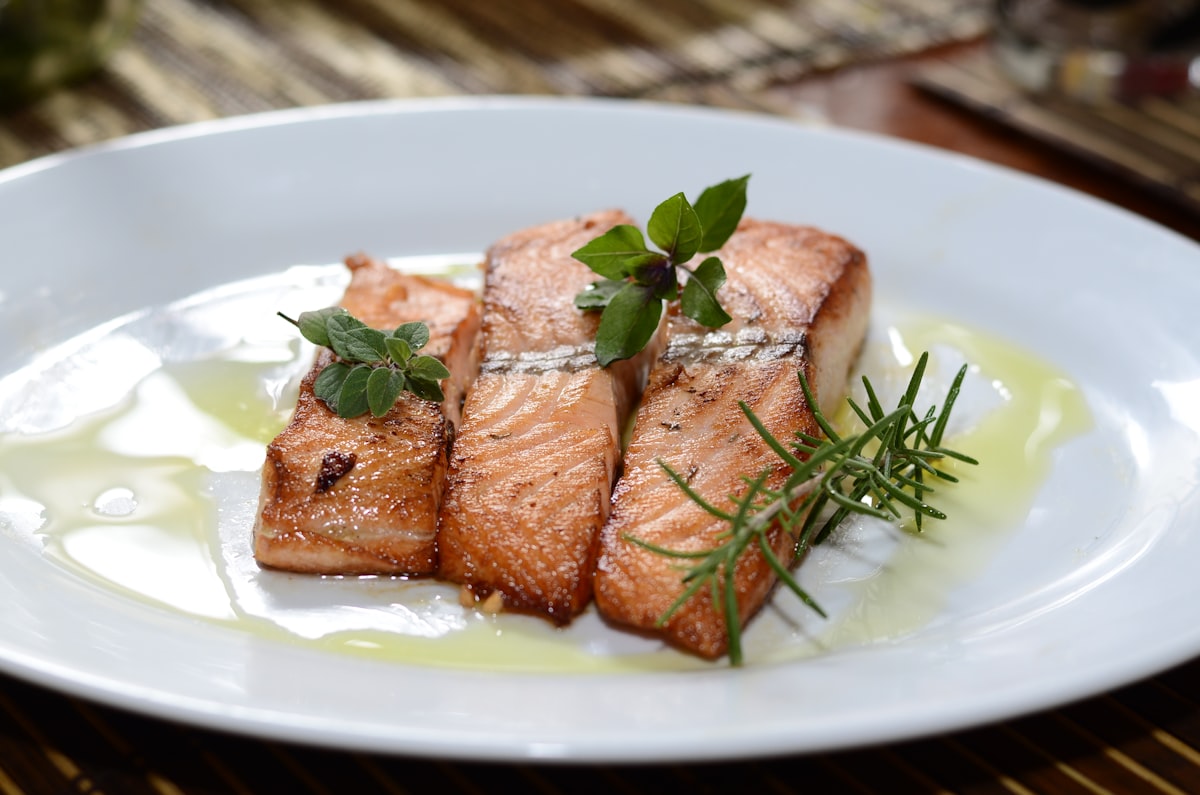
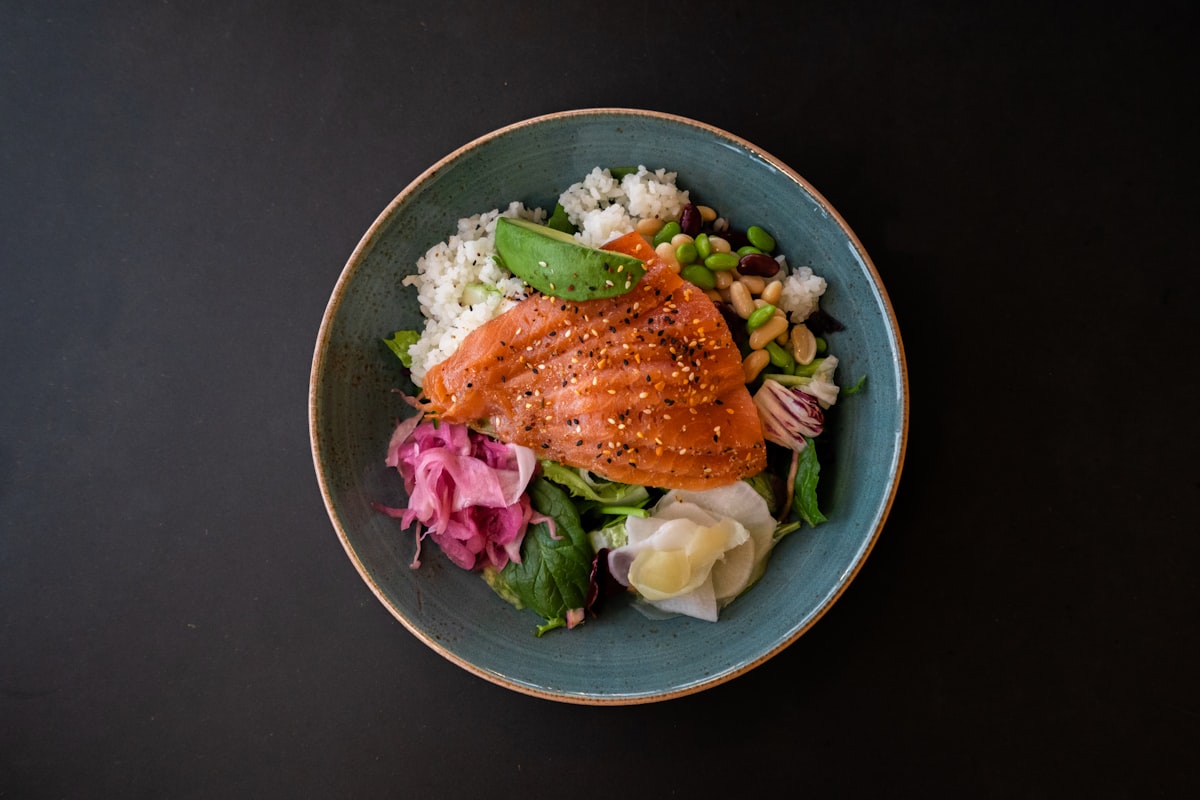
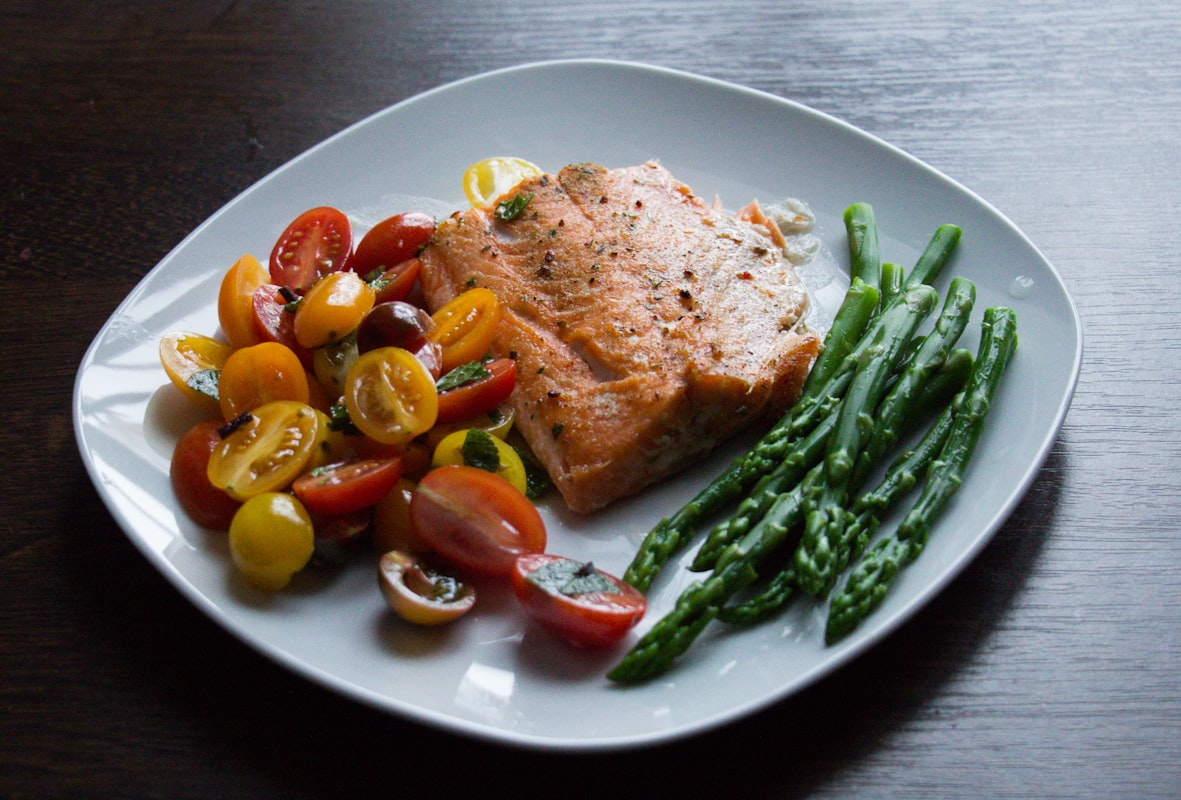
Salmon
Salmon is an exceptional source of omega-3 polyunsaturated fatty acids, particularly EPA and DHA. These essential fats form structural components of the retina and support optimal photoreceptor function. Regular consumption of fatty fish like salmon is associated with maintaining sharp central vision and supporting overall eye tissue integrity.
- Rich in EPA and DHA
- Supports retinal structure
- Anti-inflammatory properties
Carrots
Carrots are celebrated for their beta-carotene content, which the body converts to retinol—the active form of vitamin A essential for low-light vision. Vitamin A is a key component of rhodopsin, the pigment in retinal cells that enables vision in dim conditions. Including carrots regularly supports the entire visual system's nutritional foundation.
- High in beta-carotene
- Supports low-light vision
- Supports retinal cells
Bell Peppers
Bell peppers are vibrant sources of vitamin C, a water-soluble antioxidant that protects eye structures from oxidative damage and supports collagen formation in the cornea and sclera. Vitamin C works synergistically with other nutrients to combat free radicals and maintain tissue elasticity throughout the visual system.
- Abundant vitamin C
- Powerful antioxidant
- Supports tissue integrity
Almonds
Almonds provide concentrated vitamin E, a fat-soluble antioxidant that shields retinal cell membranes from lipid peroxidation and oxidative stress. Vitamin E works alongside other antioxidants to preserve the functional integrity of photoreceptors and support long-term visual health throughout life.
- Rich in vitamin E
- Protects cell membranes
- Antioxidant support
Oysters
Oysters contain some of the highest concentrations of dietary zinc, a mineral essential for transporting vitamin A from the liver to the retina. Zinc enables metalloenzymes throughout the eye and supports the retinal pigment epithelium, which sustains photoreceptor health and contributes to maintaining sharp vision.
- Exceptional zinc content
- Supports vitamin A transport
- Retinal pigment support
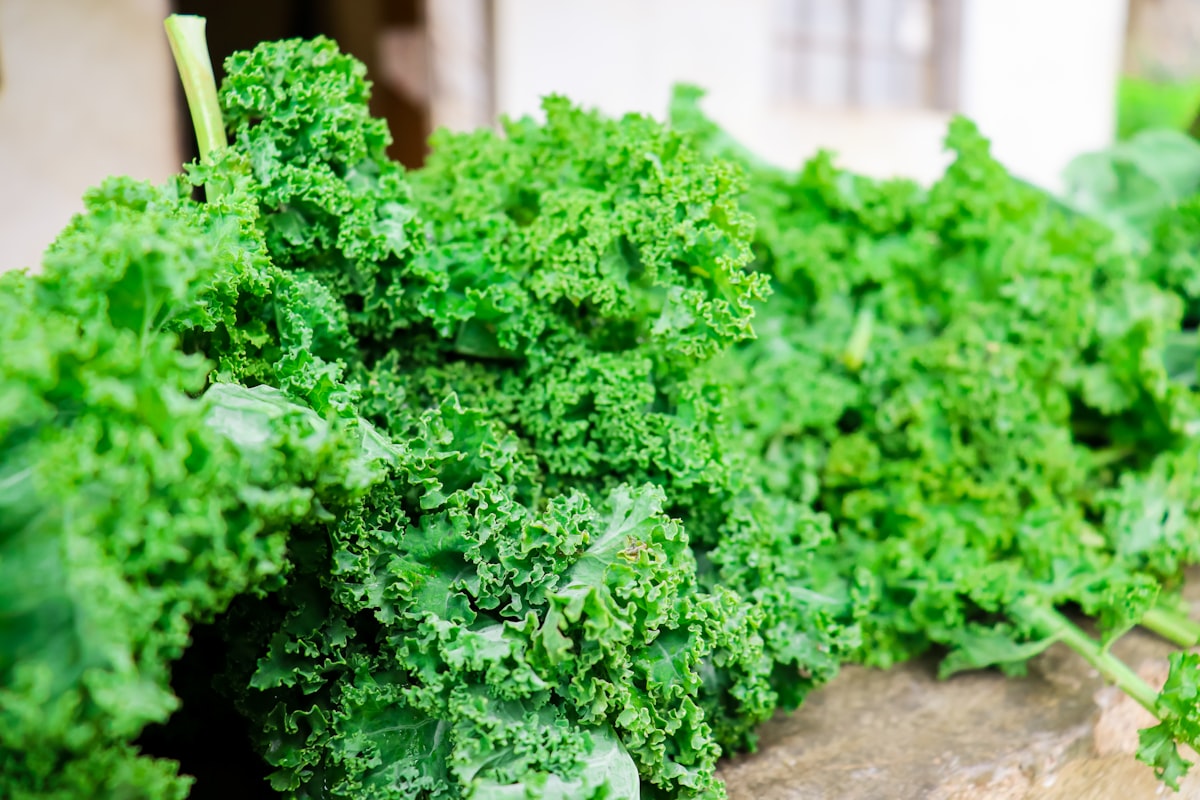
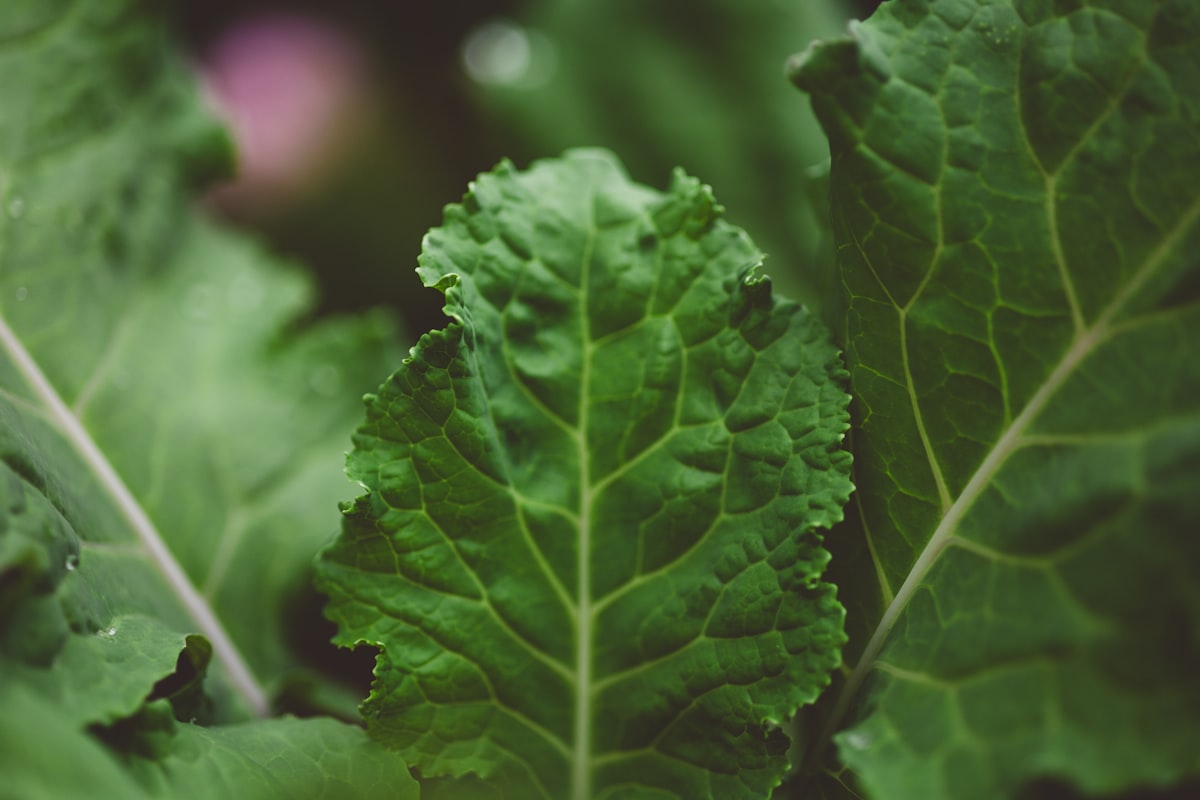
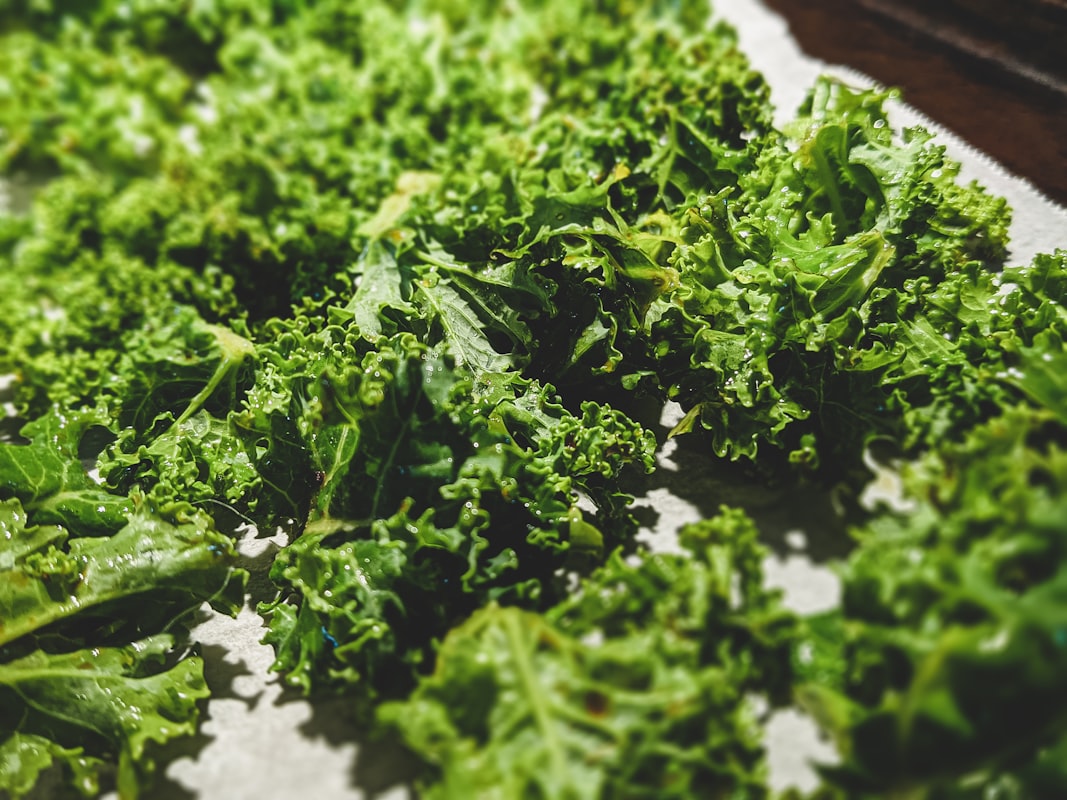
Kale
Kale surpasses most vegetables in lutein and zeaxanthin concentration and also delivers substantial amounts of vitamin A, vitamin C, and numerous polyphenols. This nutritional density makes kale an outstanding whole-food source for comprehensive eye wellness, supporting multiple physiological systems that maintain visual acuity and retinal protection.
- Highest lutein levels
- Complete nutrient profile
- Multiple antioxidants
Why These Nutrients Matter for Your Vision
The human eye relies on a sophisticated network of tissues, each requiring specific nutrients to function optimally. Lutein and zeaxanthin accumulate in the macula to filter harmful light wavelengths. Omega-3 fatty acids constitute structural components of the retina. Zinc facilitates the transport of critical vitamins. Antioxidants like anthocyanins and vitamins C and E neutralize free radicals that can damage cellular structures.
Understanding which foods provide these nutrients empowers you to make informed dietary choices that support lifelong visual wellness. Rather than relying on single supplements, a diverse diet rich in these whole foods provides synergistic benefits—nutrients that work together more effectively than isolated compounds.
Whole Food Synergy
Foods contain nutrient combinations that enhance absorption and effectiveness.
Bioavailability
Nutrients from food sources are often more readily absorbed than synthetic forms.
Long-Term Wellness
Consistent dietary patterns support sustained visual health throughout life.

How to Incorporate These Foods Into Your Diet
Start with Greens
Begin by adding one serving of dark leafy greens (spinach, kale, or collards) to your daily meals. These are simple to incorporate into salads, smoothies, soups, or sautéed as side dishes.
Add Fatty Fish Weekly
Plan to consume fatty fish like salmon, mackerel, or sardines twice weekly. These provide omega-3 fatty acids that support retinal structure and function over time.
Include Colorful Produce
Aim for variety in fruit and vegetable colors—orange (carrots, peppers), blue (blueberries), red (tomatoes, beets). Different pigments indicate different phytonutrients.
Add Nuts & Seeds
Include nuts and seeds (almonds, sunflower seeds, pumpkin seeds) as snacks or toppings. These provide vitamin E, zinc, and healthy fats supporting eye wellness.
Frequently Asked Questions
There is no single "dose" for eye health, as optimal intake varies by individual, existing diet, and health status. Most nutrition research suggests that regular consumption of these foods—rather than occasional large portions—provides cumulative benefits. A practical approach is to include at least one serving of leafy greens daily, fatty fish twice weekly, and a variety of colorful vegetables throughout the week.
If you have specific health concerns or dietary restrictions, consulting with a registered dietitian can help you develop a personalized nutrition plan.
Ready to Transform Your Eye Health?
Join thousands of satisfied customers who have experienced clearer vision and reduced eye strain with Xoliro's premium formulations.